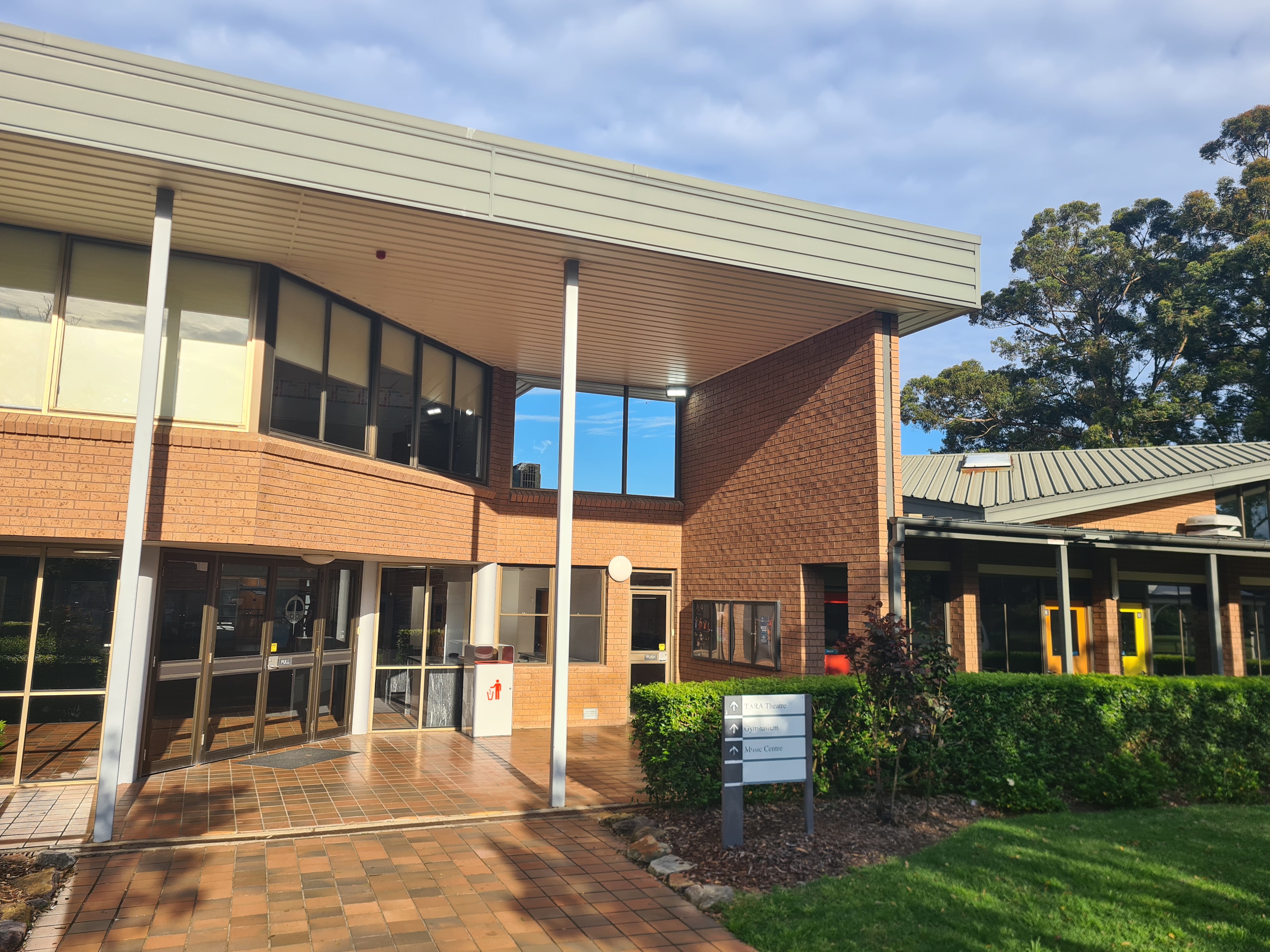
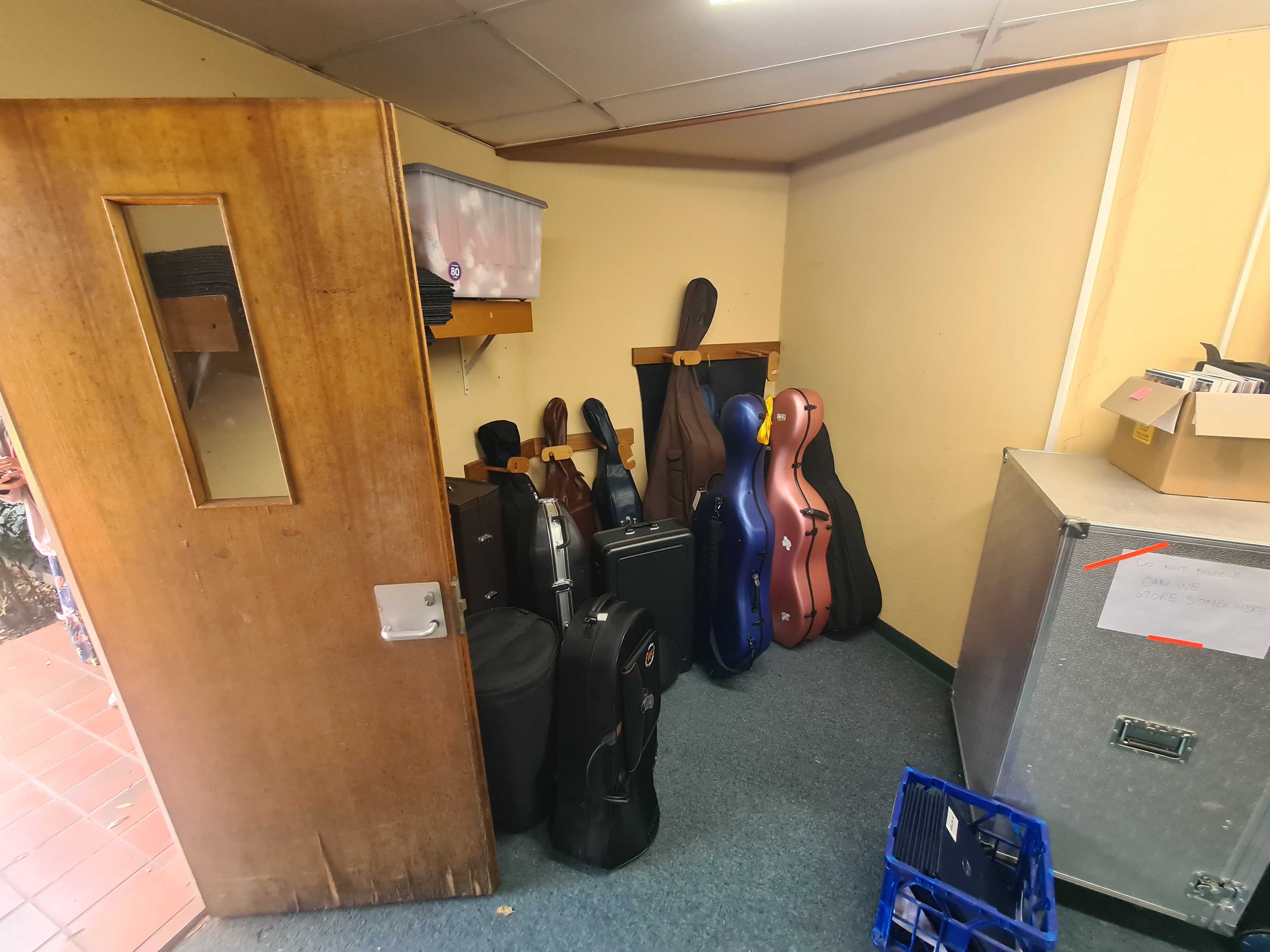
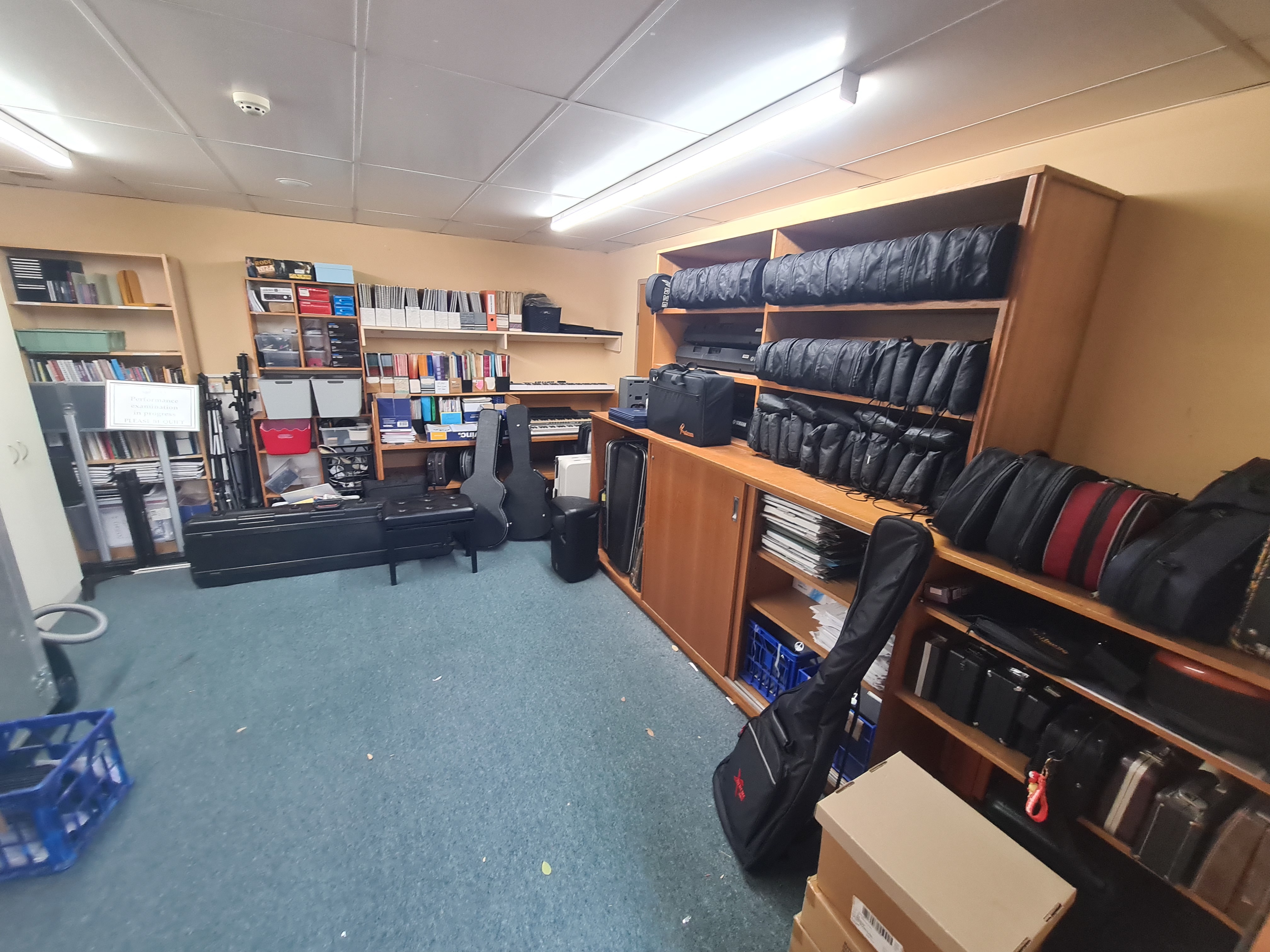
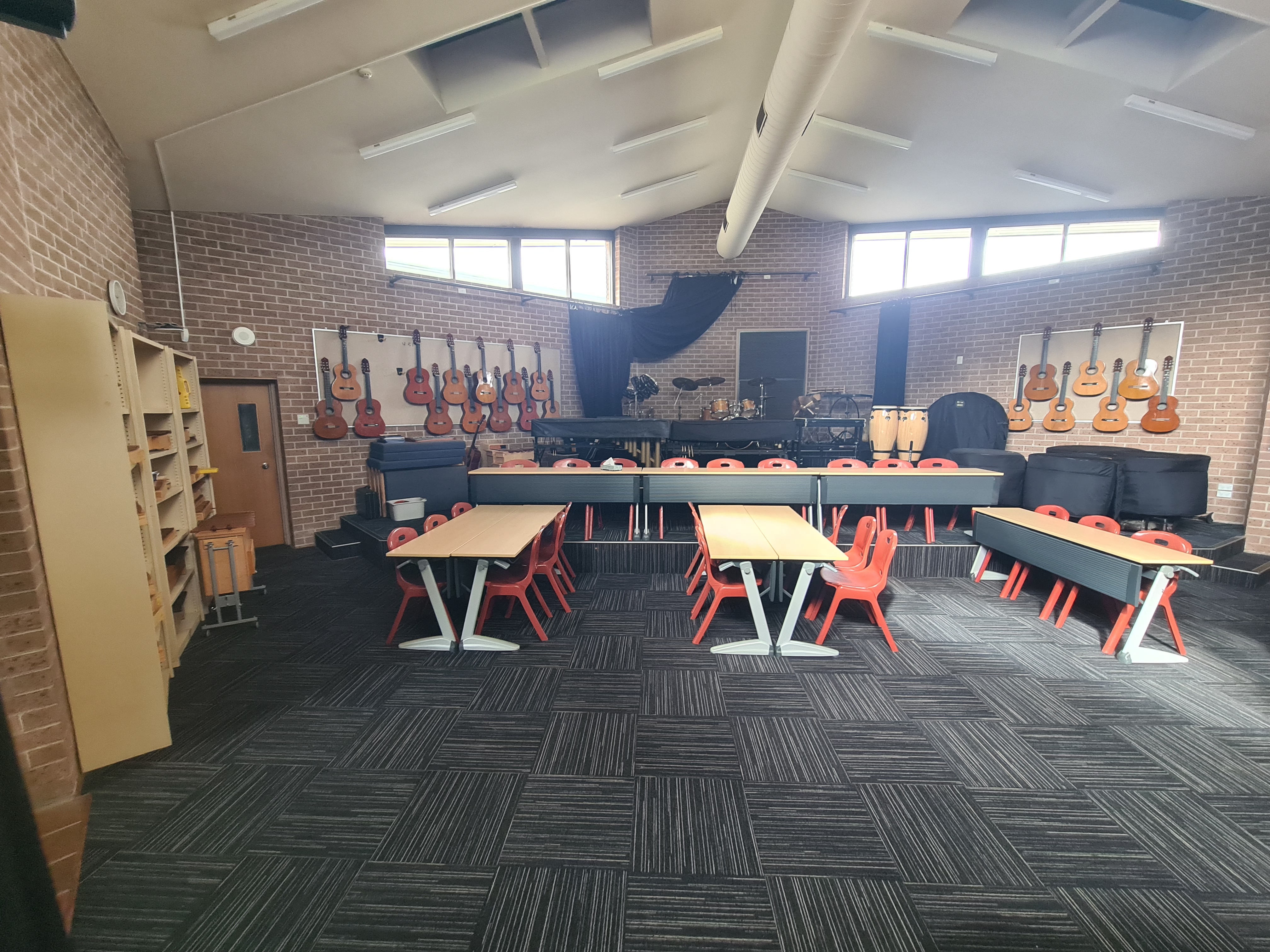
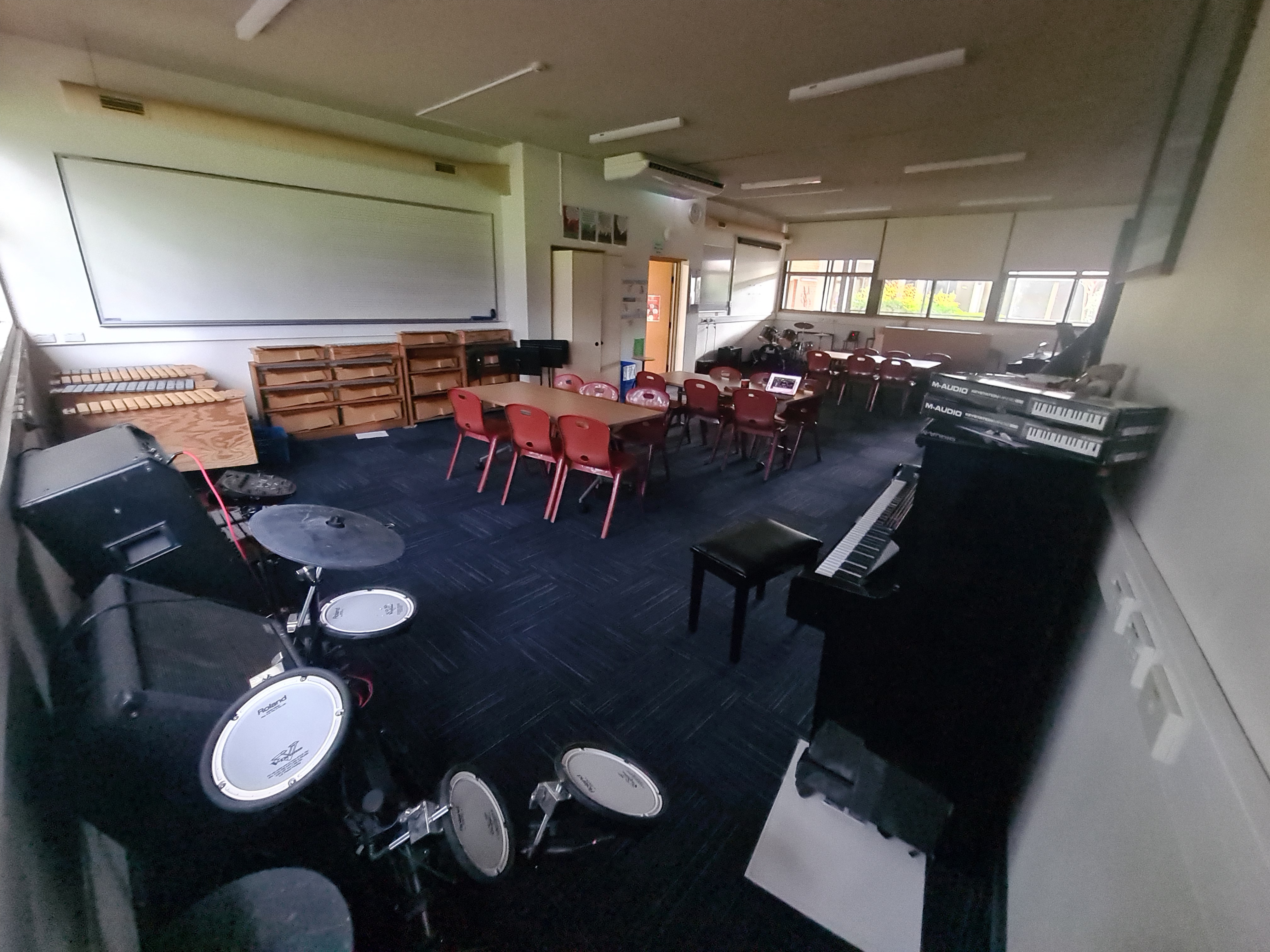
My prac experience at the school I was assigned to was a highly valuable and eye-opening learning opportunity. When I arrived on the first day, I was immediately fascinated by the resources available. The music department had a beautiful auditorium where concerts and drama performances were held, and two dedicated classrooms were used for music lessons. These rooms included a wide range of percussion instruments such as timpani, a grand piano, digital pianos, xylophones, drum kits, acoustic and electric guitars, and bass guitars. The storeroom was filled with a myriad of instruments including woodwinds, ukuleles, brass, keyboards, and strings.
Example of the School Symphony Orchestra


The students were very well-behaved and followed a consistent daily routine. The teachers were strong role models, and in my first week I learned an extensive amount simply by observing their strategies and techniques. When it came time for me to teach, I initially believed I could simulate the skills I had observed. However, I quickly realised that standing in front of a class of 20–30 students was overwhelming, especially when trying to ensure that everyone remained on the same page. I also learned how crucial pacing is for lesson delivery, and I found myself often going overtime with my lesson plans. This is something I need to continue developing in future prac sessions.
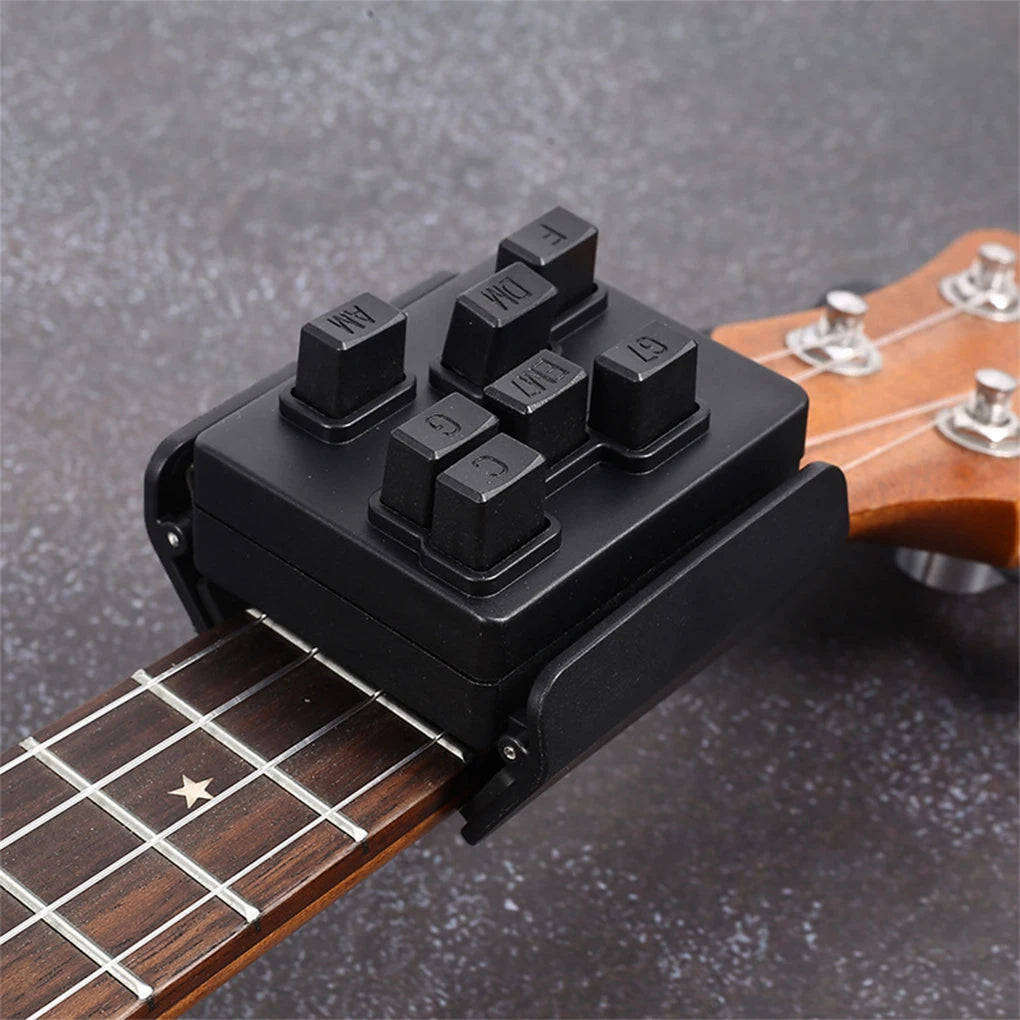
Some of the music classes included students with cognitive disabilities. The teachers consistently differentiated tasks for them, both in assessments and during practical activities. For example, one music teacher bought a chord-presser device for a student so she could participate in the ukulele unit alongside her peers. That same student also had a personalised workbook tailored to her learning needs. The teacher dedicated significant time to supporting all students so they felt included. I also used the chord presser when one of my students attended class with broken fingers, allowing her to continue participating instead of sitting out.
Chord presser device
In terms of classroom management, I implemented strategies such as speaking in a firm but calm voice to help students settle, and using a 5-to-1 countdown to regain their attention when the room became loud.
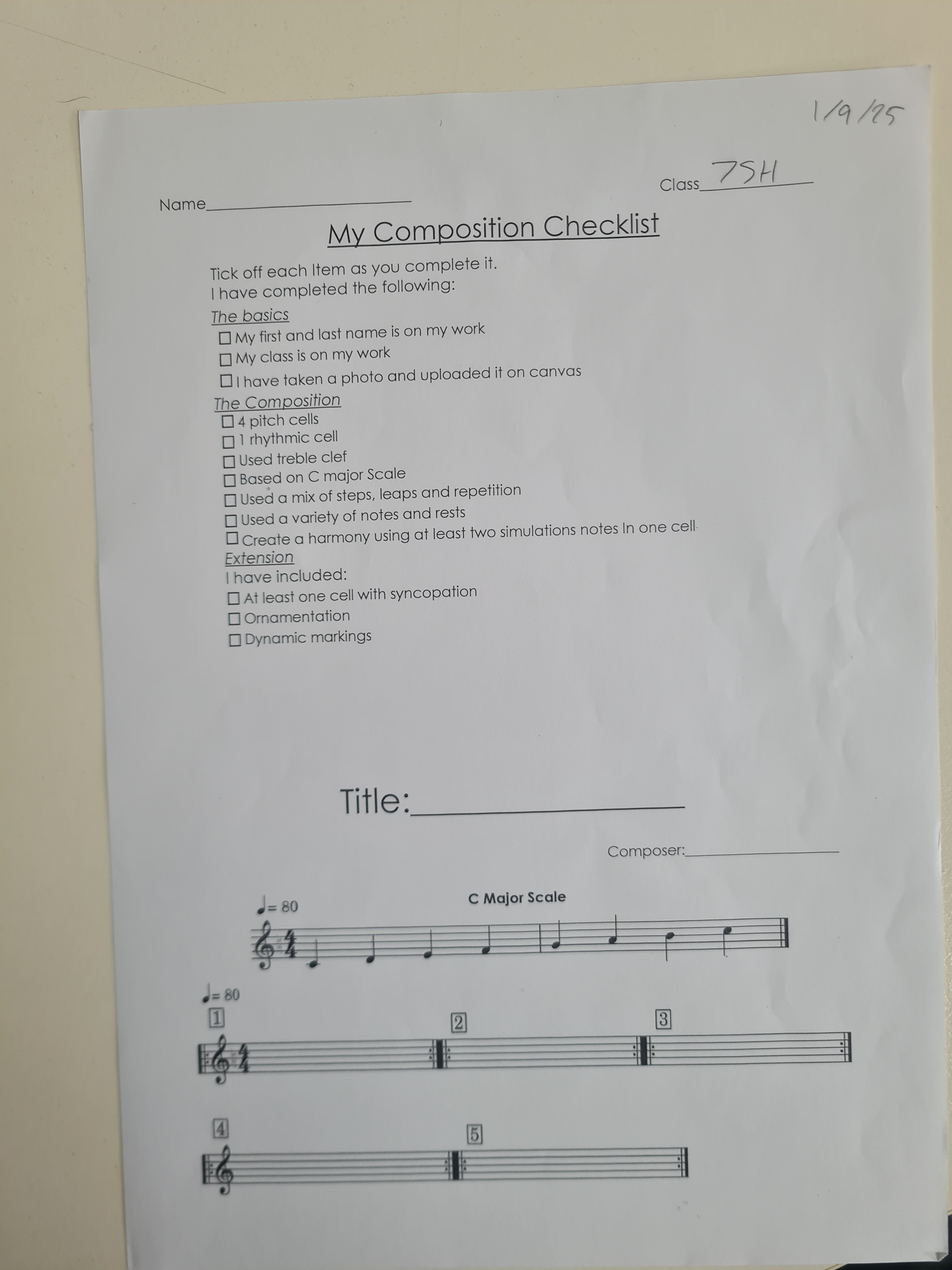
I also enjoyed helping students with their assessment tasks and providing feedback. One task required students to compose a hero and villain leitmotif using SoundTrap and its virtual instruments. I completed the task myself and showcased it at the beginning of a lesson. The students’ reaction was sensational, and it served as a stimulus and source of motivation for their own work.
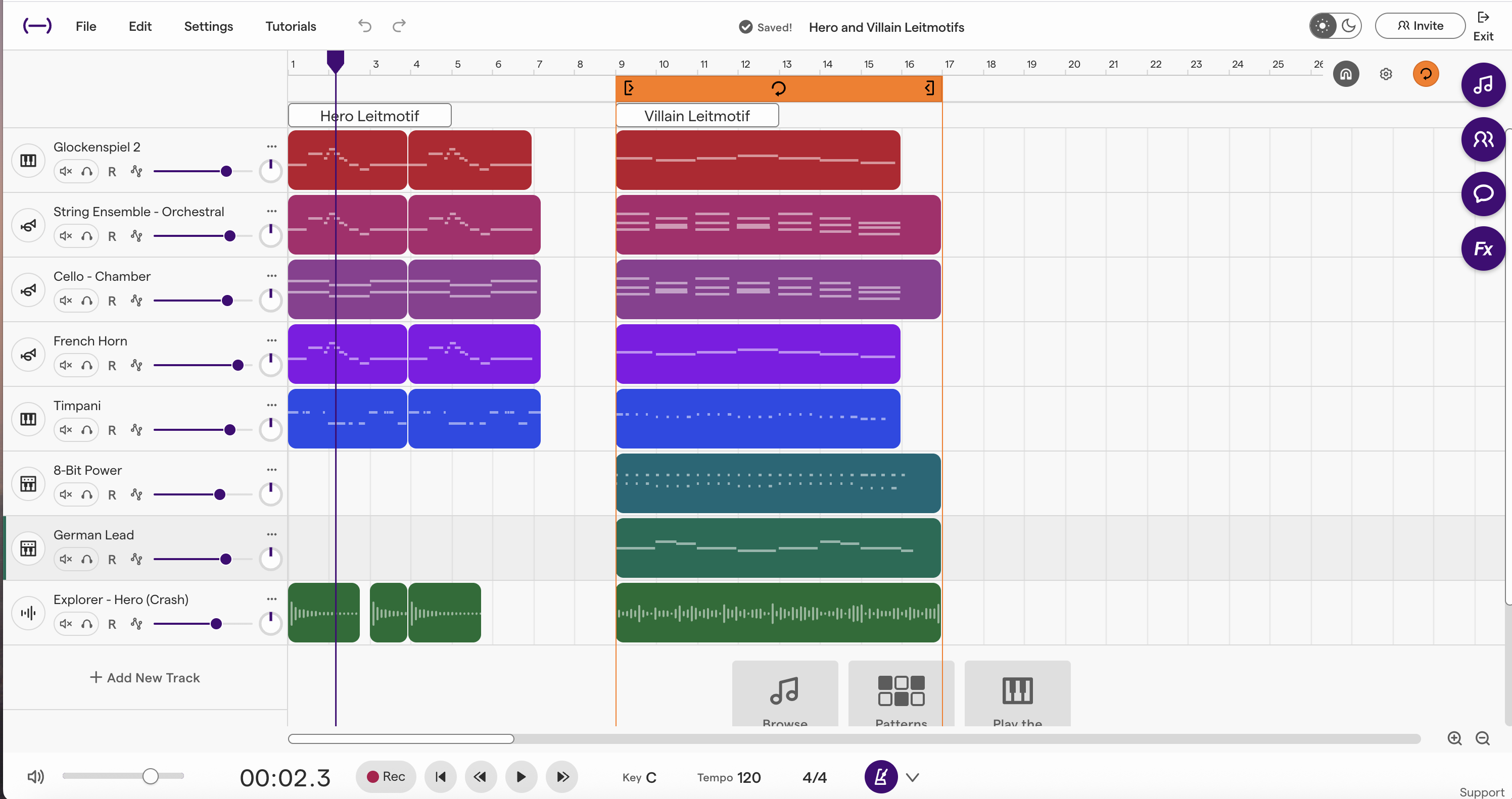
SoundTrap session file containing the “Hero” and “Villain” leitmotifs
I found modelling slightly challenging, especially when teaching ukulele and guitar. It required me to learn and demonstrate four chords confidently in front of the class, and then check students’ progress. With around 20 guitars being strummed at once, managing the noise and monitoring everyone was difficult. It felt like I needed to split my attention three ways, constantly scanning the room to ensure students were on task.
I prepared my lesson plans in the music staffroom. I realised that the template used at USyd was too extensive and long-winded for everyday school use. My supervising teachers recommended using a one-page landscape-style lesson plan. I followed their advice and aligned my lessons closely with the unit of work the students were completing. At times, I felt somewhat limited because many of the lesson resources were already predetermined, and there was less freedom to introduce my own materials. The teachers had taught this unit for the past two years, and I wanted to follow their tested and refined approach.
During my placement, I also had the privilege of listening to some of the Year 12 HSC students rehearse for their performance exams. The calibre of the singers and instrumentalists was incredibly high, with one student achieving an Encore nomination for her HSC performance.
Overall, this practicum strengthened my understanding of classroom management, differentiation, modelling, and lesson pacing. It also deepened my commitment to creating inclusive, engaging, and musically rich learning environments. These experiences will continue to guide my growth as I progress towards becoming a confident and responsive secondary music educator.
 Petar Jovanov